The Hswagata Buddha Tooth Relics Preservation Private Museum
“ဤBlogသည် ယုံကြည်မှုအတွက် မဟုတ်၊ စူးစမ်းမှုအတွက် ဖြစ်သည်။ ဓမ္မကို ယနေ့ခေတ် သိပ္ပံ၏ မျက်လုံးဖြင့် ပြန်လည် ကြည့်ရှုခြင်းဖြစ်သည်…” “This blog is not for belief, but for inquiry. It is a re-examination of the Dhamma through the lens of modern science…”
Total Pageviews
Friday, June 5, 2026
Friday, May 22, 2026
Anticipating a Milestone in Buddha Tooth Relics Research
Target Announcement Date: May 30, 2026
Buddhist Era: 2570
Myanmar Calendar: 1388 ME, Full Moon Day of Nayone (Vesak Day)
As we approach the highly auspicious Full Moon Day of Nayone, marking the sacred Vesak Day in the Myanmar calendar, the Office of Siridantamahāpālaka is honored to share an upcoming milestone.
Through rigorous systematic registry standards and the integration of historical archival science, our Research and Publishing Department at the Hswagata Private Museum has reached a new threshold. On this upcoming Vesak Day, we will officially unveil a significant new discovery regarding the Buddha Tooth Relics at
(Click the link here for reading Public Statement) www.siridantamahapalaka.com
9:00 AM Thailand Standard Time,30th May 2026.
This forthcoming publication will offer profound insights into relic cosmology and Dhātu-parinibbāna, supported by our latest registry case files. We warmly invite scholars, practitioners, and the devout community to join us on our official blog on May 30th as we present these findings.
May the light of the Dhamma continue to guide us.
Saturday, May 2, 2026
Public Statement on Research Findings
PUBLIC STATEMENT ON RESEARCH FINDINGS
"Building a Bridge of Understanding Between Modern Archaeological Evidence and Theravāda Textual Traditions"
The Hswagata Buddha Tooth Relics Preservation Private Museum respectfully announces to the public the results of years of extensive research concerning the Buddha's Tooth Relics, based on contemporary Archaeological Evidence and Epigraphical Evidence.
This statement does not seek to invalidate traditional beliefs. Rather, it aims to construct a stronger "Bridge of Understanding" between modern archaeological evidence and Theravāda textual traditions, presenting these insights as a historiographical reinterpretation and a research possibility.
1. Research on the Record of the "Four Tooth Relics" The concept of the "Four Tooth Relics" frequently cited in Theravāda texts may not be an absolute numerical limit, but could instead function as a form of Doctrinal Classification. Current archaeological and epigraphical evidence reveals that the physical enshrinement and widespread distribution of the tooth relics may be far more extensive than traditional interpretations imply.
2. Cosmological Reinterpretation of the "Nāga" and "Tāvatiṃsa" Realms Traditional Sinhalese chronicles often record that two of the tooth relics are enshrined and venerated in the Nāga realm and the Tāvatiṃsa heavenly realm. However, emerging research highlights the Historiographical Possibility that the terms "Nāga" and "Tāvatiṃsa" are not merely mythological domains, but may metaphorically represent historical human societies, geopolitical regions, or Sacred Geographies that existed during that era.
3. Widespread Enshrinement in Earthly Stupas Based on current archaeological evidence, it is robustly confirmed that these tooth relics were not solely enshrined in other cosmological realms. Throughout history, they have been extensively enshrined and venerated within earthly Stupas, Reliquaries, and Monastic Networks.
4. Reference Publications for Detailed Study (7 Volumes) Regarding the aforementioned findings, detailed historical evidence, epigraphical records, photographic documentation, and theoretical analyses can be studied in depth in the following seven research monographs authored by the Custodian:
Book 1: The Buddha's Tooth Relics: An Analytical Study from the Perspective of Mutual Complementarity Between Theravāda Traditional Belief Records and Contemporary Archaeological Evidence.
Book 2: The Quantity of Buddha Relics and Historiographical Problems: A Comparative Study on the Impacts of Religious, Political, and Sectarian History from King Ashoka to King Kanishka.
Book 3: The Earthly Custodianship of the Four Tooth Relics: A Historical and Archaeological Reinterpretation of Theravāda Doctrinal Narratives.
Book 4: Beyond the Dichotomy: Reasserting the Doctrinal and Functional Significance of Relics (Dhātu) in Theravada Buddhism.
Book 5: Public Trust and Information Management: Mitigating the Crisis of Faith Arising from Newly Discovered Archaeological Evidence.
Book 6: Integrated Relic Custodianship Model (IRCM): Capacity Building for Buddhist Relic Custodians Combining Vinaya Discipline, Archaeology, Law, and Modern Management.
Book 7: Custodians of the Buddha's Sacred Relics Vol.1: Discover the Legacy of Sacred Treasures (English Edition).
These research findings are presented not to diminish the devotion of the Buddhist community, but to cultivate a resilient, wisdom-based faith grounded in authentic historical evidence. As the Custodian of the Relics, we will continue to strive to build a harmonious bridge between Faith and Archaeology.
(Signature) xxxxx
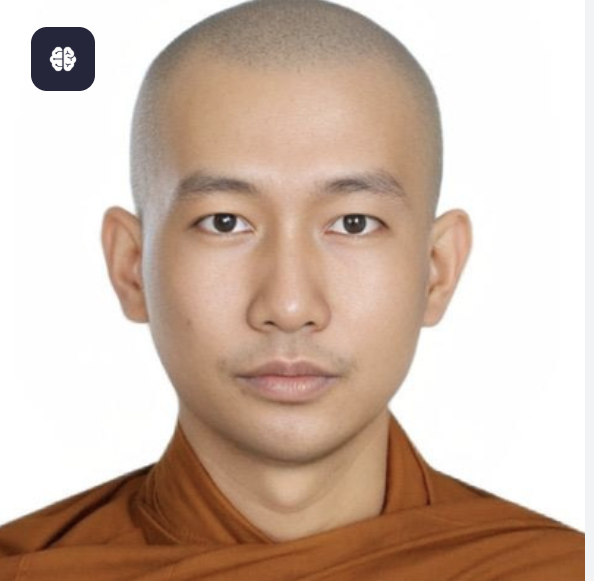
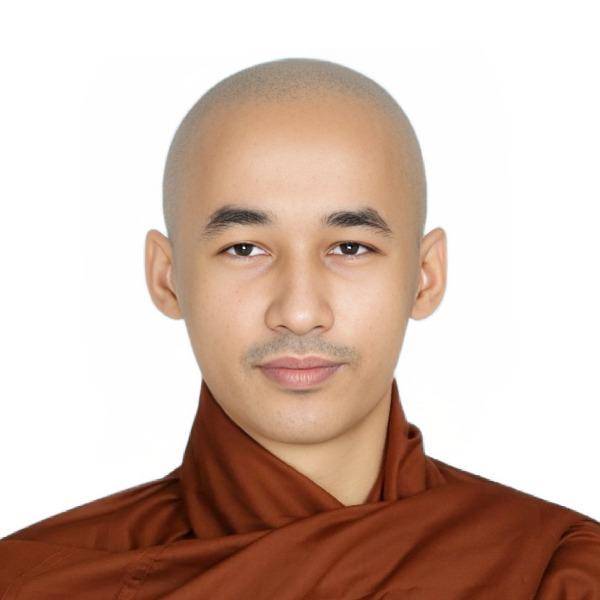
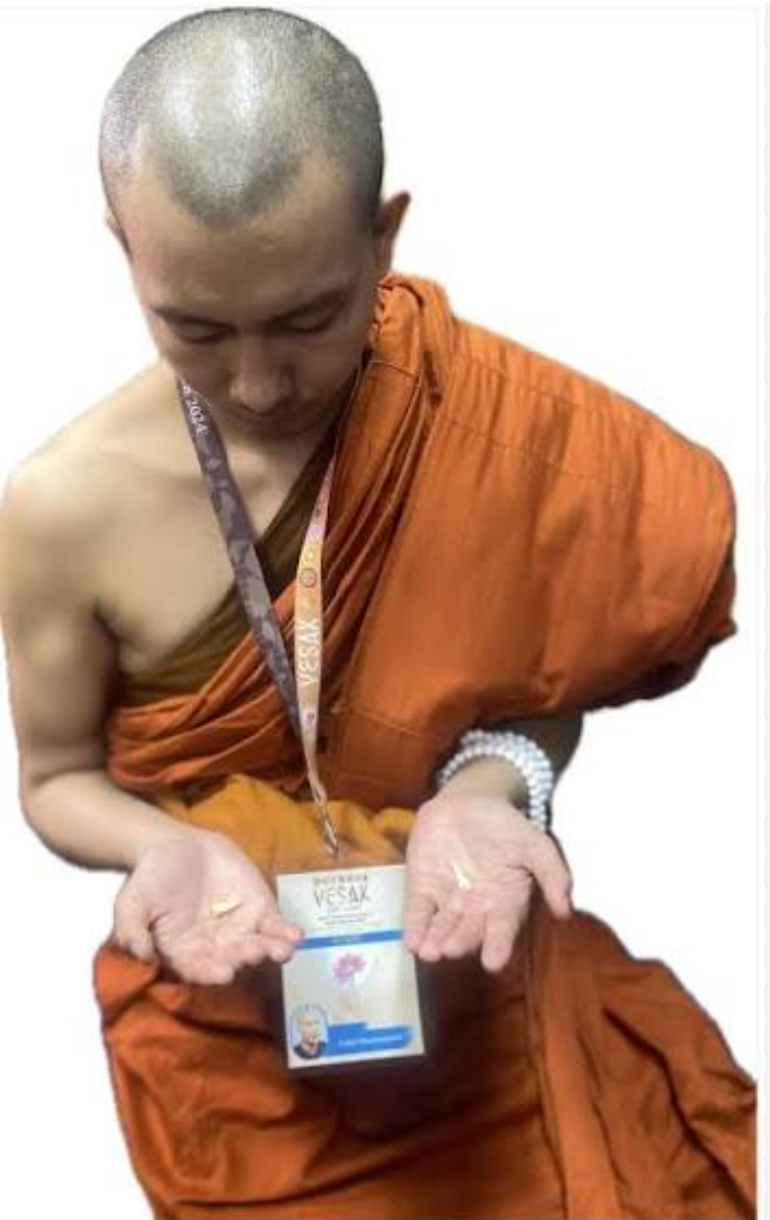
Venerable Dhammasami
Founder and Custodian of the Tooth Relics
Office of Siridantamahapalaka
The Hswagata Buddha Tooth Relics Preservation Private Museum.
Further Information & Downloads:
The Hswagata Buddha Tooth Relics Preservation Private Museum:
https://www.hswagata.com The Office of Siridantamahapalaka:
https://www.siridantamahapalaka.com Publications Download:
https://philpeople.org/profiles/sao-dhammasami-bhikkhu-indasoma-siridantamahapalaka/publications?order=viewings About the Researcher:
https://about.me/bhikkhus.dhammasami ORCID Identifier: 0009-0000-0697-4760
Siridantamahāpālaka (စွယ်တော်ထိန်းသိမ်းစောင့်ရှောက်သူ)
သွာဂတ ဗုဒ္ဓစွယ်တော်မြတ်များ ထိန်းသိမ်းစောင့်ရှောက်ရေး ပြတိုက်
The Office of Siridantamahapalaka,
The Hswagata Buddha Tooth Relics Preservation Private Museum
ရက်စွဲ။ ။ ၂၀၂၆ ခုနှစ် ဧပြီလ ၃၀ ရက်နေ့ ကဆုန်လပြည့် ဗုဒ္ဓနေ့
သုတေသနတွေ့ရှိချက် ထုတ်ပြန်ကြေညာချက်
"ခေတ်သစ်ရှေးဟောင်းသုတေသနအထောက်အထားများနှင့် ထေရဝါဒကျမ်းဂန်အစဉ်အလာများအကြား ပေါင်းကူးနားလည်မှုတည်ဆောက်ခြင်း"
သွာဂတ ဗုဒ္ဓစွယ်တော်မြတ်များ ထိန်းသိမ်းစောင့်ရှောက်ရေး ပြတိုက် (Hswagata Museum) အနေဖြင့် မြတ်စွာဘုရားရှင်၏ စွယ်တော်မြတ်များနှင့်စပ်လျဉ်း၍ နှစ်ပေါင်းများ စွာ လေ့လာစူးစမ်းခဲ့သော မျက်မှောက်ခေတ် ရှေးဟောင်းသုတေသနအ ထောက်အထား များ (Archaeological Evidence) နှင့် ကမ္ပည်းစာမှတ်တမ်းများ (Epigraphical Evidence) ဆိုင်ရာ သုတေသနရလဒ်များကို အများပြည်သူထံသို့ လေးစားစွာ အသိပေးတင်ပြ အပ်ပါသည်။
ဤထုတ်ပြန်ချက်သည် ရိုးရာယုံကြည်မှုများကို ပယ်ဖျက်ရန်မဟုတ်ဘဲ၊ ခေတ်သစ်ရှေးဟောင်းသုတေသန အထောက်အထားများနှင့် ထေရဝါဒကျမ်းဂန် အစဉ်အလာများအကြား ပိုမိုခိုင်မာသော ပေါင်းကူးနားလည်မှု (Bridge of Understanding) တည်ဆောက်ရန်နှင့် သုတေသနဆိုင်ရာ ဖြစ်နိုင်ခြေတစ်ရပ်အဖြစ် ပြန်လည်သုံးသပ် တင်ပြခြင်းသာ ဖြစ်ပါသည်။
၁။ "စွယ်တော် ၄ ဆူ" ဟူသော မှတ်တမ်းအပေါ် သုတေသနပြုချက်
ထေရဝါဒကျမ်းဂန်များတွင် ဖော်ပြလေ့ရှိသော "စွယ်တော် ၄ ဆူ" အယူအဆသည် အတိအကျ ကိန်းဂဏန်းသတ်မှတ်ချက်သက်သက်မဟုတ်ဘဲ၊ သာသနာတော်ဆိုင်ရာ သရုပ်ခွဲမှတ်တမ်းတင်ခြင်း (Doctrinal Classification) သဘောသဘာဝတစ်ရပ် ဖြစ်နိုင်ကြောင်း သုံးသပ်ရပါသည်။ ယခုတွေ့ရှိရသော ရှေးဟောင်းသုတေသနနှင့် ကမ္ပည်းအထောက်အထားများအရ စွယ်တော်ဓာတ်တော်များ၏ ကိန်းဝပ်မှုနှင့် ဖြန့်ကျက် တည်ရှိမှုသည် ရိုးရာအနက်ဖွင့်ဆိုချက်များထက် ပိုမိုကျယ်ပြန့်နိုင်ကြောင်းကို တွေ့ရှိရ ပါသည်။
၂။ "နဂါးပြည်" နှင့် "တာဝတိံသာ" ဆိုင်ရာ သမိုင်းကြောင်း ပြန်လည်သုံးသပ်ချက် (Cosmological Reinterpretation)
သီဟိုဠ်ရိုးရာမှတ်တမ်းများတွင် စွယ်တော်နှစ်ဆူအား နဂါးပြည်နှင့် တာဝတိံသာနတ်ပြည်တို့တွင် ကိန်းဝပ်ပူဇော်ခံကြောင်း ဖော်ပြလေ့ရှိပါသည်။ သို့ရာတွင် ယခု ရှာဖွေတွေ့ရှိချက်များအရ အဆိုပါ "နဂါးပြည်" နှင့် "တာဝတိံသာ" ဟူသော ဝေါဟာရများသည် ဒဏ္ဍာရီလာ နယ်ပယ်သက်သက်မဟုတ်ဘဲ၊ ထိုခေတ်အခါက တည်ရှိခဲ့သော သမိုင်းဝင် လူ့အဖွဲ့အစည်းများ၊ နိုင်ငံရေးဒေသများ သို့မဟုတ် အထွတ်အမြတ်ထားရာ ပထဝီဝင်နယ်မြေများ (Sacred Geography) ကို တင်စားခေါ်ဝေါ်ခြင်းဖြစ်နိုင်သည့် သမိုင်းဆိုင်ရာ ဖြစ်နိုင်ခြေ (Historiographical Possibility) များကို သုတေသနက မီးမောင်းထိုးပြလျက်ရှိပါသည်။
၃။ လူ့ပြည်ရှိ စေတီတော်များတွင် ကျယ်ကျယ်ပြန့်ပြန့် ကိန်းဝပ်တည်ရှိခဲ့ခြင်း
လက်ရှိ ရှေးဟောင်းသုတေသနဆိုင်ရာ အထောက်အထားများအရ အဆိုပါ စွယ်တော်မြတ်များသည် အခြားသောကမ္ဘာဘုံများတွင်သာ ကိန်းဝပ်နေခြင်းမဟုတ်ဘဲ၊ သမိုင်းတစ်လျှောက် လူ့ပြည်ရှိ စေတီတော်များ (Stupas)၊ ဓာတ်တော်တိုက်များ (Reliquaries) နှင့် သာသနာပြုကွန်ရက်များ (Monastic Networks) အတွင်း ကျယ်ကျယ်ပြန့်ပြန့် ကိန်းဝပ်တည်ရှိ ပူဇော်ခံခဲ့ကြောင်းကို ခိုင်လုံစွာ တွေ့ရှိရပါသည်။
၄။ အသေးစိတ်လေ့လာနိုင်သော သုတေသနကျမ်း (၇) အုပ် (Reference Publications)
အထက်ပါ ရှာဖွေတွေ့ရှိချက်များနှင့် ပတ်သက်၍ ခိုင်လုံသော သမိုင်းဆိုင်ရာ အထောက်အထားများ၊ ကမ္ပည်းကျောက်စာများ၊ ဓာတ်ပုံမှတ်တမ်းများနှင့် သီအိုရီပိုင်းဆိုင်ရာ ခွဲခြမ်းစိတ်ဖြာမှုများကို Custodian မှ ရေးသားပြုစုထားသော အောက်ပါ သုတေသနကျမ်း (၇) အုပ်တွင် အသေးစိတ် ဖတ်ရှုလေ့လာနိုင်ပါသည် -
ကျမ်း (၁) - မြတ်စွာဘုရားရှင်၏ သွားတော်မြတ်များ - ထေရဝါဒ ရိုးရာယုံကြည်မှုမှတ်တမ်းများနှင့်မျက်မှောက်ခေတ်ရှေးဟောင်းသုတေသနအထောက်အထားများအား အပြန်အလှန် ဖြည့်ဆည်းမှု ရှုထောင့်မှ ခွဲခြမ်း စိတ်ဖြာ လေ့လာချက်။
ကျမ်း (၂) - ဗုဒ္ဓဓာတ်တော်များ၏ အရေအတွက်နှင့် သမိုင်းပြုစုမှု ပြဿနာ — အသောကမင်းကြီးမှ ကနိသျှမင်းကြီးအထိ သာသနာရေး၊ နိုင်ငံရေးနှင့် ဂိုဏ်းကွဲ သမိုင်း၏ သက်ရောက်မှုများကို နှိုင်းယှဉ်လေ့လာချက်။
ကျမ်း (၃) - စွယ်တော် (၄) ဆူ၏ လူ့ဘုံလောကရှိ ထိန်းသိမ်းစောင့်ရှောက်မှုသမိုင်း ထေရဝါဒကျမ်းဂန်လာမှတ်တမ်းများအပေါ် သမိုင်းနှင့်ရှေးဟောင်းသုတေသန ရှုထောင့်မှ ပြန်လည်အနက်ဖွင့်ဆိုချက်။
ကျမ်း (၄) - သီးခြားကွဲကွာနေမှုများကို ကျော်လွန်ခြင်း - ထေရဝါဒဗုဒ္ဓဘာသာရှိ ဓာတ်တော်မွေတော်များ၏ တရားဓမ္မနှင့် လက်တွေ့လုပ်ငန်းစဉ်ဆိုင်ရာ အရေးပါမှု ကို ပြန်လည်ဖော်ထုတ်တင်ပြချက်။
ကျမ်း (၅) - အများပြည်သူ ယုံကြည်မှုနှင့် သတင်းအချက်အလက် စီမံခန့်ခွဲခြင်း - ရှေးဟောင်းသုတေသန အထောက်အထားသစ်များကြောင့် ဖြစ်ပေါ်လာနိုင်သော ယုံကြည်မှုဆိုင်ရာ အကျပ်အတည်းများကို ကုစားခြင်း။
ကျမ်း (၆) - ဗုဒ္ဓဓာတ်တော်ထိန်းသိမ်းသူများအတွက် စွမ်းရည်မြှင့်တင်မှု - ဝိနည်းသိက္ခာ၊ ရှေးဟောင်းသုတေသန၊ ဥပဒေနှင့် ခေတ်သစ်စီမံခန့်ခွဲမှုပညာ ရပ်များ ပေါင်းစပ်ထားသော ဘက်စုံဓာတ်တော်ထိန်းသိမ်းစောင့်ရှောက်မှု မော်ဒယ် (IRCM)။
ကျမ်း (၇) - Custodians of the Buddha's Sacred Relics Vol.1: Discover the Legacy of Sacred Treasures (English Edition).
အထက်ပါ သုတေသနတွေ့ရှိချက်များသည် ဗုဒ္ဓဘာသာဝင်တို့၏ သဒ္ဓါတရားကို အားနည်းစေရန်မဟုတ်ဘဲ၊ စစ်မှန်သော သမိုင်းအထောက်အထားများဖြင့် ပိုမိုခိုင်မာပြီး ပညာဉာဏ်နှင့်ယှဉ်သော ယုံကြည်မှုကို တည်ဆောက်ရန် ရည်ရွယ်ပါသည်။ ဓာတ်တော်မွေတော်များကို ထိန်းသိမ်းစောင့်ရှောက်သူ (Custodian) အနေဖြင့် သဒ္ဓါတရားနှင့် သမိုင်းဆိုင်ရာ အထောက်အထား (Faith and Archaeology) အကြား ညီညွတ်မျှတသော ပေါင်းကူးတံတားတစ်ရပ် တည်ဆောက်နိုင်ရန် ဆက်လက် ကြိုးပမ်းသွားမည်ဖြစ်ကြောင်း သတင်းထုတ်ပြန်အပ်ပါသည်။
(ပုံ)
Venerable Dhammasami
Founder and Custodian of the Tooth Relics,
Office of Siridantamahapalaka
The Hswagata Buddha Tooth Relics Preservation Private Museum.
အသေးစိတ်လေ့လာရန် လင့်ခ်များ (Further Information & Downloads)
The Hswagata Buddha Tooth Relics Preservation Private Museum: https://www.hswagata.com
The Office of Siridantamahapalaka: https://www.siridantamahapalaka.com
သုတေသနကျမ်းများ အခမဲ့ ရယူဖတ်ရှုရန် (Publications Download): https://philpeople.org/profiles/sao-dhammasami-bhikkhu-indasoma-siridantamahapalaka/publications?order=viewings
သုတေသီ၏ အချက်အလက်များ (About the Researcher): https://about.me/bhikkhus.dhammasami
ORCID Identifier: 0009-0000-0697-4760
Wednesday, April 29, 2026
Thursday, April 9, 2026
ကျမ်းပြီးဆုတောင်း၊ ဝန်ခံကန်တော့လွှာ နှင့် မဟာအမျှဝေစာ
မြတ်စွာဘုရားအား ဝန်ခံတောင်းပန်ကန်တော့ခြင်း
ဘုန်းတော်အနန္တ၊ ကံတော်အနန္တ၊ ဉာဏ်တော်အနန္တနှင့် ပြည့်စုံတော်မူသော မြတ်စွာဘုရား…
ဘုရားတပည့်တော်သည် ဤ "မြတ်စွာဘုရားရှင်၏ သွားတော်များ" သုတေသနကျမ်းကြီးကို ပြုစုရာတွင်၊ မျက်မှောက်ခေတ် သိပ္ပံပညာရှင်များ၊ သံသယဝါဒီများနှင့် ကမ္ဘာ့ရှေးဟောင်းသုတေသီများအလယ်တွင် ဘုရားရှင်၏ ဓာတ်တော်၊ မွေတော်၊ သွားတော်မြတ်များဖြစ်ကြောင်းကို ငြင်းဆိုဖွယ်မရှိအောင် သက်သေပြနိုင်ရန်အလို့ငှာ၊ လုံးရပ်ခန္ဓာ ကိုယ်စားတော်ပွားဖြစ်သော သွားတော်၊ ဓာတ်တော်များအား သိပ္ပံနည်းကျ မျိုးဗီဇစစ်ဆေးခြင်း (DNA Analysis) နှင့် ကာဗွန်သက်တမ်းတိုင်းတာခြင်း (Carbon-14 Dating), ကျား၊ မ ခွဲခြားစစ်ဆေးခြင်း နှင့်အခြားသောသိပ္ပံနည်းကျစစ်ဆေးသုတေသနပြုခြင်း စသည့် စမ်းသပ်စစ်ဆေးမှုများကို ပြုလုပ်ခဲ့ရပါသည်ဘုရား။ ဤသို့ စမ်းသပ်စစ်ဆေးမှုများ ပြုလုပ်ခြင်းသည် ရိုသေမှုကင်းမဲ့၍မဟုတ်ဘဲ၊ ခေတ်နှင့်အညီ သာသနာတော် အရှည်တည်တံ့ခိုင်မြဲရေး အတွက် မလွှဲမရှောင်သာ ပြုလုပ်ရခြင်းဖြစ်ပါသဖြင့်၊ ဘုရားရှင်၏ ဓာတ်တော်မွေတော်များအပေါ်အပြစ် တစ်စုံတစ်ရာ ကျူးလွန်မိရာ ရောက်ခဲ့ပါလျှင် ဘုရားတပည့်တော်အား အပြစ်မှ ကင်းလွတ်ခွင့်ပေးကာ သည်းခံခွင့်လွှတ် တော်မူပါရန် ရိုသေမြတ်နိုး လက်စုံမိုး၍ ဝန်ခံတောင်းပန် လျောက်ထား အပ်ပါသည် ဘုရား။
ပရိနိဗ္ဗာန်စံလွန်တော်မူပြီးသော အရိယာသူမြတ်များအား ရည်မှန်းပူဇော်ခြင်း
(၁) ရှင်သာရိပုတ္တရာ၊ (၂) ရှင်မဟာမောဂ္ဂလာန်၊ ဓာတ်တော်များကို စုဆောင်းခွဲဝေခဲ့သော (၃) အရှင်မဟာကဿပ မထေရ်မြတ်၊ တတိယသင်္ဂါယနာတင် (၄) အရှင်မဟာမောဂ္ဂလိပုတ္တတိဿ မထေရ်မြတ် နှင့် (၅) ရှင်ဥပဂုတ္တ မထေရ်မြတ် အစရှိကုန်သော ပရိနိဗ္ဗာန်စံလွန်တော်မူကြပြီဖြစ်သော ရဟန္တာအရှင်မြတ်ကြီးများ၏ အနန္တဂုဏ်ကျေးဇူးတော်တို့ကို ရည်မှန်း၍ ဤဓမ္မသုတေသန ကျမ်းစာကြီးဖြင့် ရိုသေမြတ်နိုး ပူဇော်ပါ၏ဘုရား။ ကျေးဇူးတော်ရှင်မိုးကုတ်ဆရာတော်ဘုရားကြီး မုံလယ်ဆရာတော်ဘုရားကြီး နှင့် အဘိဓဇမဟာရဋ္ဌဂုရု၊ အဘိဓဇအဂ္ဂမဟာသဒ္ဓမ္မဇောတိက၊ သီတဂူကမ္ဘာ့ဗုဒ္ဓတက္ကသိုလ်များ၏ အဓိပတိ၊ သီတဂူဆရာတော် ဘဒ္ဒန္တဉာဏိဿရ, အဘိဓဇမဟာရဋ္ဌဂုရု၊ အဘိဓဇအဂ္ဂမဟာသဒ္ဓမ္မဇောတိက၊ ဒေါက်တာဘဒ္ဒန္တနန္ဒမာလာဘိဝံသ နှင့် အဂ္ဂမဟာဂန္ထဝါစကပဏ္ဍိတ၊ အဂ္ဂမဟာသဒ္ဓမ္မဇောတိကဓဇ၊ အောက်စဖို့ဒ် ဆရာတော် ဒေါက်တာဘဒ္ဒန္တဓမ္မသာမိ, မိမိ၏ ဆရာသမားများအား ပူဇော်ပါ၏ ။
ထိန်းသိမ်းစောင့်ရှောက်သူ၏ ခံယူချက်နှင့် အဓိဋ္ဌာန်ပြုခြင်း
အကြင် ဓာတ်တော်၊ မွေတော်၊ သွားတော်မြတ်တို့သည် သစ္စာအဓိဋ္ဌာန် ပြုထားသူ၊ ထိန်းသိမ်းစောင့်ရှောက်သူတို့ထံသို့ ဘဝသံသရာ မည်မျှပင် ပြောင်းလဲသွားပါစေကာမူ၊ ဘုရားရှင်၏ တန်ခိုးတော်၊ အဓိဋ္ဌာန်တော်တို့ဖြင့် အစဉ်အမြဲ ကြွရောက်သီတင်းသုံးတော်မူမြဲ ဖြစ်ပါသည်။ မိမိထံသို့ ကြွရောက် သီတင်းသုံး မွေ့လျော်တော်မူသော သွားတော်မြတ်များကို ထိန်းသိမ်းစောင့်ရှောက်ပူဇော်ရသူ အနေဖြင့် သဒ္ဓါ၊ ဝီရိယ၊ သတိ၊ သမာဓိ၊ ပညာ တည်းဟူသော (ဗိုလ် ၅ ပါး) တရားတို့ကို အားကောင်းစွာဖြင့် အပတ်တကုတ် လုံ့လပြုကာ စောင့်ရှောက်နိုင်ခဲ့ခြင်းသည် ဗုဒ္ဓဘာသာဝင်ဘုရားသားတော်တစ်ဦး၏ တာဝန်ကျေပွန်ခြင်း ဖြစ်သကဲ့သို့၊ ဤသို့ စွမ်းနိုင်အောင် ကြိုးစားအားထုတ်ရခြင်းသည်ပင်လျှင် မြတ်စွာဘုရားရှင်အား မြင့်မြတ်သော အလုပ်အကျွေးပြု ပူဇော်ခြင်း ဖြစ်ပါပေသည်။
ဘုရားတပည့်တော်သည် ဤကျမ်းစာကို ပြုစုရာတွင် ဘုရားရှင်အား အလုပ်အကျွေးပြုလိုသော သန့်စင်သော စိတ်ထားဖြင့် ကြုံတွေ့လာရသမျှသော အခက်အခဲများ၊ အကျပ်အတည်းများ၊ ပုတ်ခတ်တိုက်ခိုက်မှုများကို "ဘုရားသားတော်ပီပီ" နောက်တွန့်ဆုတ်မသွားဘဲ၊ သတိနှင့် ပညာကို လက်ကိုင်ပြုကာ ဗောဓိပက္ခိယတရား (၃၇) ပါး ပွားများပြည့်စုံလာစေရန် ကျင့်ကြံရင်း ရေးသားပူဇော်ခဲ့ရာ ယခုအခါတွင် အောင်မြင်စွာ ပြီးမြောက်ခဲ့ပြီ ဖြစ်ပါသည်။
ဤကျမ်းစာအုပ် အောင်မြင်စွာ ထွက်ပေါ်လာခြင်းသည် တပည့်တော်၏ သာသနာပြုခရီးစဉ်အတွက် "က ကြီး ရေ က" အစပထမ ခြေလှမ်းသာ ဖြစ်ပါသေးသည်။ နောင်အနာဂတ်ကာလများတွင်လည်း ဤကမ္ဘာမြေပေါ်ရှိ နိုင်ငံအသီးသီးသို့ ဘုရားရှင်၏ အဆုံးအမများ ပြန့်ပွားစေရန်နှင့်၊ လူ၊ နတ်၊ ဗြဟ္မာ အပေါင်းတို့၏ လောကီ လောကုတ္တရာ အကျိုးစီးပွားကို တိုးပွားအောင် ဆောင်ရွက်နိုင်ရန် ရှေ့ဆက် လျှောက်လှမ်း၍ သာသနာပြုခွင့် ရပါလို၏ဘုရား။ ဤကုသိုလ်ကံ စေတနာတို့ကြောင့် နိဗ္ဗာန်မြတ်သို့ ယခုဘဝ၊ ယခုခန္ဓာဖြင့်ပင် လျင်မြန်စွာ မျက်မှောက်ပြုရန် အထောက်အပံ့ကောင်း (ဥပနိဿယ ပစ္စယော) ဖြစ်ပါစေသတည်း။
မဟာမေတ္တာ အမျှဝေစာ
ဘုရားတပည့်တော်သည် ဤ "မြတ်စွာဘုရားရှင်၏ သွားတော်များ" သုတေသနကျမ်းကြီးကို ခဲရာခဲဆစ် ပြုစုခြင်း၊ ဓာတ်တော်များကို စောင့်ရှောက်ခြင်းတည်းဟူသော ကုသိုလ်ကောင်းမှု အစုစုတို့၏ အဖို့ဘာဂကို သံသရာ၌ ကျင်လည်ဆဲဖြစ်ကုန်သော အောက်ပါပုဂ္ဂိုလ်အပေါင်းတို့အား အမျှပေးဝေပါ၏-
(၁) သမိုင်းခေတ် အလှူရှင်၊ ဒါယကာ မင်း၊ မိဖုရားများနှင့် သာသနာပြုပုဂ္ဂိုလ်ကြီးများ -
ဓာတ်တော်များကို ခွဲဝေပေးခဲ့သော (၆) ဒေါဏပုဏ္ဏားကြီး၊ ဓာတ်တော်များကို မူလပူဇော်ခဲ့ကြသော (၇) အဇာတသတ်မင်း၊ (၈) သကျသာကီဝင်မင်းများ၊ (၉) လိစ္ဆဝီမင်းများ၊ (၁၀) ကောလိယမင်းများ၊ (၁၁) မလ္လာမင်းများ၊ ဗုဒ္ဓ၏ ဆရာဝန်ဖြစ်ခဲ့သော (၁၂) ဆရာဇီဝက၊ ဇမ္ဗူဒီပတစ်ခွင် စေတီရှစ်သောင်းလေးထောင် တည်ထားခဲ့သော (၁၃) သီရိဓမ္မာသောက မင်းတရားကြီး၊ (၁၄) ကနိသျှကမင်းကြီး၊ (၁၅) ဟုဝိသျှကမင်းကြီး၊ (၁၆) အင်ဒို-ဂရိ မိလိန္ဒမင်းကြီး၊ ဘဂျော် (Bajaur) ဒေသမှ (၁၇) အဝစမင်း ဗိဇယမိတ္တ နှင့် (၁၈) မိဖုရား ရုခုဏ၊ ဩဒီနိုင်ငံမှ (၁၉) သေနဝရမမင်း၊ ဆွတ် (Swat) ဒေသမှ (၂၀) ဥတ္တရာသေနမင်းကြီး၊ (၂၁) သုဝိသက္ကမင်းကြီး၊ ကလဝန်စေတီကို တည်ထားခဲ့သော (၂၂) ဥပါသိကာမ စန္ဒဒါသီ၊ သီရိလင်္ကာသို့ စွယ်တော်ပင့်ဆောင်ခဲ့သော ကလိင်္ဂတိုင်းမှ (၂၃) ဂုဟသီဝမင်းကြီး၊ (၂၄) ဒန္တကုမာရမင်းသား နှင့် (၂၅) ဟေမမာလာမိဖုရား၊ မြန်မာ့သာသနာကို စောင့်ရှောက်ခဲ့ကြသော (၂၆) အနော်ရထာမင်း၊ (၂၇) ကျန်စစ်သားမင်း၊ (၂၈) ဘုရင့်နောင်မင်းတရားကြီး၊ သမိုင်းမှတ်တမ်းများ ရေးသားခဲ့ကြသော (၂၉) ဘုန်းတော်ကြီးဖာဟီယန်၊ (၃၀) ဘုန်းတော်ကြီးရွှေယန်ကျန် အစရှိသော သမိုင်းဝင် အလှူရှင် ပုဂ္ဂိုလ်ကြီးများ၊
(၂) နိုင်ငံအသီးသီးရှိ ရှေးဟောင်း စေတီတော်များကို စောင့်ရှောက်ကြကုန်သော နတ်မြတ်နတ်ကောင်းများ -
အိန္ဒိယနိုင်ငံရှိ (၃၁) ပိပရာဝါစေတီတော်၊ (၃၂) ဆန်ချီစေတီတော်၊ (၃၃) အမရဝတီစေတီတော်၊ (၃၂) နာဂဇုနကုဏ္ဍစေတီတော် စောင့်နတ်များ၊ နီပေါနိုင်ငံရှိ (၃၅) ရာမဂါမ နဂါးစောင့်စေတီတော် စောင့်နတ်များ၊
ပါကစ္စတန်နိုင်ငံ (တက္ကသီလာ၊ ပက်ရှဝါ နှင့် ဆွတ်တောင်ကြား) ရှိ (၃၆) ဓမ္မရာဇိကစေတီတော်၊ (၃၇) ကနိသျှကစေတီတော်၊ (၃၈) မဏိကျလစေတီတော်၊ (၃၉) ဘုက္ကရ (Butkara) စေတီတော်၊ (၄၀) ကလဝန် (Kalawan) စေတီတော်၊ (၄၁) ကုဏ္ဍလ (Kunala) စေတီတော်၊ (၄၂) ဂီရိ (Giri) စေတီတော်၊ (၄၃) မိုရာမိုရာဒူ (Mohra Moradu)၊ (၄၄) ဂျော်လီယန် (Jaulian)၊ (၄၅) ဘမာလာ (Bhamala)၊ (၄၆) ဆာကပ် (Sirkap)၊ (၄၇) ဘီယာမောင့်ဒ် (Bhir Mound)၊ (၄၈) တပ်ခ်တီဘာဟီ (Takht-i-Bahi)၊ (၄၉) ဂျာမားလ်ဂါဟီ (Jamal Garhi)၊ (၅၀) လိုရီယန်တန်ဂိုင်၊ (၅၁) ရှင်ကော့တ် (Shinkot)၊ (၅၂) သိင်္ဂါတ နှင့် နမောဂန် စေတီတော် အသီးသီးကို စောင့်ရှောက်ကြကုန်သော နတ်များ၊
အာဖဂန်နစ္စတန်နိုင်ငံရှိ (၅၃) ဗိမရန် (Bimaran) စေတီတော်၊ (၅၄) ဟဒ္ဒ (Hadda) ဒေသရှိ စေတီတော်များ၊ (၅၅) တပ္ပရှိုတာ (Tapa Shotor)၊ (၅၆) ဝါဒပ် (Wardak) စေတီတော်၊ (၅၇) အဟင်ပို့ရှ် (Ahin Posh) စေတီတော်၊ (၅၈) ကမာရီ (Kamari) စေတီတော်၊ (၅၉) ဆမန်ဂန် (Samangan) ကျောက်ဂူစေတီတော်၊ (၆၀) စက္ကဝဂုန္တီ (Chaqalaq-tepe) စေတီတော်တို့ကို စောင့်ရှောက်ကြကုန်သော နတ်များ၊
သီရိလင်္ကာနိုင်ငံ (ကန္ဒီမြို့) ရှိ (၆၁) တော်ဝင်စွယ်တော်တိုက် (Sri Dalada Maligawa) စောင့်နတ်များ နှင့် မြန်မာနိုင်ငံရှိ (၆၂) ရွှေတိဂုံစေတီတော် အပါအဝင် ပြည်တွင်းပြည်ပရှိ သွားတော်မြတ်၊ ဓာတ်တော်မြတ်များ ကိန်းဝပ်ရာ ဌာနအသီးသီးကို စောင့်ရှောက်ကြကုန်သော နတ်မြတ်နတ်ကောင်းများ၊
(၃) မြေအောက်မှ ဓာတ်တော်များကို ဖော်ထုတ်ခဲ့ကြသော ရှေးဟောင်းသုတေသန ပညာရှင်ကြီးများ -
ဘုရားရှင်၏ ဓာတ်တော်မွေတော်များကို သမိုင်းအထောက်အထား ခိုင်လုံစွာဖြင့် မြေအောက်မှ တူးဖော်မှတ်တမ်းတင်ခဲ့ကြသော (၆၃) ဆာ ဂျွန်မာရှယ် (Sir John Marshall)၊ (၆၄) ချားလ်စ် မေဆင် (Charles Masson)၊ (၆၅) အလက်ဇန္ဒား ကန်နင်ဟမ် (Alexander Cunningham)၊ (၆၆) ဝီလျံပဲပ် (William Peppe)၊ (၆၇) အေ အိတ်ချ် လောင်းဟတ်စ် (A.H. Longhurst)၊ (၆၈) ကိုလင်း မက်ကင်ဇီ (Colin Mackenzie)၊ (၆၉) အလက်ဇန္ဒား ရီး (Alexander Rea)၊ (၇၀) ပါမောက္ခ မီဇူနို (Prof. Mizuno)၊ (၇၁) ဇေမာရယာလိုင် တာဇီ (Zemaryalai Tarzi)၊ (၇၂) အမ် အေ ဆူဖီ (M.A. Sufi)၊ (၇၃) အိတ်ချ် ဟာဂရီးဗ်စ် (H. Hargreaves)၊ (၇၄) အန် ဂျီ မာဂျွမ်ဒါ (N.G. Majumdar)၊ (၇၅) ဝီလျံ ဆင်ပ်ဆန် (William Simpson)၊ (၇၆) ဗိုလ်ချုပ် ဗင်ကျူရာ (General Ventura)၊ (၇၇) ဂျူးလ် ဘာသူး (Jules Barthoux)၊ (၇၈) ဒိုမင်နီကို ဖာချန်နာ (Domenico Faccenna) အစရှိသော သမိုင်းဝင် တူးဖော်သူ ပညာရှင်ကြီးများ၊
(၄) ခေတ်သစ် သုတေသန စာတမ်းရှင်များနှင့် ပညာရှင်များ -
ဤကျမ်းကို ပြုစုရာတွင် အထောက်အကူပြုခဲ့သော စာတမ်းများ၊ ကျမ်းကိုးများကို ရေးသားခဲ့ကြသည့် (၇၉) ဂျွန်အက်စ် စထရောင်း (John S. Strong)၊ (၈၀) ကီဗင် ထရိန်နာ (Kevin Trainor)၊ (၈၁) ဂရီဂိုရီ ရှိုပန် (Gregory Schopen)၊ (၈၂) ရစ်ချတ် ဆော်လမွန် (Richard Salomon)၊ (၈၃) မိုက်ကယ် ဝီလီစ် (Michael Willis)၊ (၈၄) ပီတာ စကေးလင်း (Peter Skilling)၊ (၈၅) ဟယ်ရီ ဖော့ခ် (Harry Falk)၊ (၈၆) အဲလိဇဘက် အယ်ရင်တန် (Elizabeth Errington)၊ (၈၇) ကတ်တ် အေ ဘာရန့်ဒ် (Kurt A. Behrendt)၊ (၈၈) ဒေးဗစ် ဂျုံဂီဝါ့ဒ် (David Jongeward)၊ (၈၉) အိတ်ချ် အယ်လ် ဆီနီဗီရတ်နီ (H. L. Seneviratne)၊ (၉၀) ရိုမီလာ သာပါ (Romila Thapar)၊ (၉၁) တန်ဆန် ဆန် (Tansen Sen)၊ နှင့် သုတေသနနည်းစနစ် ပညာရှင်များဖြစ်သော (၉၂) ဂျွန်ဒဗလျူ ခရက်စ်ဝဲလ် (John W. Creswell)၊ (၉၃) နော်မန် ကေ ဒင်ဇင် (Norman K. Denzin)၊ (၉၄) ရောဘတ် ကေ ယင် (Robert K. Yin) အစရှိသော နိုင်ငံတကာမှ ပညာရှင်များ (သက်ရှိထင်ရှား ရှိသူတို့သည် ဤမေတ္တာကြောင့် ကျန်းမာချမ်းသာကြပါစေ၊ ကွယ်လွန်ပြီးသူတို့သည် ဤကုသိုလ်အမျှကို ရကြပါစေ)၊
(၅) စောင့်ရှောက်ရာ လောကပါလ နတ်၊ ဗြဟ္မာများနှင့် အကြီးအကဲများ -
နတ်တို့သနင်း (၉၅) သိကြားမင်း၊ (၉၆) ဗြဟ္မာမင်း၊ (၉၇) သုဇာတာ၊ (၉၈) မာတလိ၊ (၉၉) ပဉ္စသီခ၊ (၁၀၀) ယမမင်း၊ သာသနာတော်ကို စောင့်ရှောက်သော (၁၀၁) ဓတရဋ္ဌ၊ ဝိရူဠှက၊ ဝိရူပက္ခ၊ ဝေဿဝဏ် ဟူသော စတုမဟာရာဇ် နတ်မင်းကြီးလေးပါး၊ (၁၀၂) ဟေမာဝတ နတ်မင်းကြီး၊ သာတာဂိရိ နတ်မင်းကြီး၊ အာဠာဝက နှင့် ကုဝေရ နတ်မင်းကြီး၊ (၁၀၃) ဝသုန္ဓြေ မြေစောင့်နတ်သမီး၊ သူရဿတီ၊ မဏိမေခလာ နှင့် ဝဿလာဟကနတ်၊ နတ်ပြည်ခြောက်ထပ် နှင့် ဗြဟ္မာ (၂၀) ဘုံရှိ နတ်ဗြဟ္မာအပေါင်း၊
(၆) လောကီဝိဇ္ဇာ၊ တာနောယက နှင့် နဂါး၊ ဂဠုန်၊ ဂန္ဓဗ္ဗ အပေါင်း -
(၁၀၄) အရိယာဝိဇ္ဇာဓိုရ်များ၊ ဆရာတော်သံ၀ရမာလာ၊ လောကီဝိဇ္ဇာများ၊ (၁၀၅) သံသရာ၌ကျင်လည်ဆဲ ဝိဇ္ဇာဓိုရ်များ၊ ဇော်ဂျီ၊ တပသီ၊ ရသေ့ သူတော်စင်အပေါင်း၊ အစောင့်အရှောက်ကြီးများဖြစ်သော (၁၀၆) တာနောယက ပုဂ္ဂိုလ်ကြီးများ၊ (၁၀၇) မူစလိန္ဒနဂါးမင်း၊ (၁၀၈) ဧရဝဏ္ဏဆင်မင်း၊ နဂါး၊ ဂဠုန်၊ ဂန္ဓဗ္ဗ၊ ကုမ္ဘဏ်၊ ယက္ခ၊ ဘုမ္မစိုး၊ ရုက္ခစိုး၊ အာကာသစိုး အပေါင်း၊
(၇) ကျေးဇူးရှင်များနှင့် သတ္တဝါအနန္တ (၃၁ ဘုံ) -
ဘဝအဆက်ဆက် တော်စပ်ခဲ့ကြဖူးသော (၁၀၉) မိခင်၊ ဖခင် ကျေးဇူးရှင်များ၊ ဥပဇ္ဈာယ်ဆရာ နှင့် သွန်သင်ပြသခဲ့သော ဆရာသမားများ၊ ဤသုတေသနကျမ်းကို ကူညီခဲ့ကြသော ပြတိုက်မှူးများ၊ ဓာတ်ခွဲခန်းပညာရှင်များ၊ အလှူရှင်များ၊ ဒုက္ခဆင်းရဲ ရောက်နေကြကုန်သော (၁၁၀) ငရဲသားများ၊ တိရစ္ဆာန်များ၊ ပြိတ္တာများ၊ အသုရကာယ်များ အပါအဝင် (၁၁၁) ရေနေ၊ ကုန်းနေ၊ ခြေမဲ့၊ ခြေနှစ်ချောင်း၊ ခြေလေးချောင်း၊ ခြေများ၊ သညာရှိ၊ သညာမဲ့ အစရှိသည့် ၃၁ ဘုံ၊ ကျင်လည်ကြကုန်သော ဝေနေယျ သတ္တဝါ အနန္တ အားလုံးတို့အား ဘုရားတပည့်တော် ပြုစုခဲ့သမျှသော ကုသိုလ်၊ ရရှိအပ်သော ပညာ၊ ကြိုးပမ်းခဲ့သော ဝီရိယ အစုစုတို့ကို အမျှ... အမျှ... အမျှ ပေးဝေငှပါ၏။
ဘုရားတပည့်တော် ပေးဝေသော ဤကုသိုလ်အမျှကို ကိုယ်တိုင် ဝမ်းမြောက်ဝမ်းသာစွာ သာဓုခေါ်ဆိုနိုင်ကြလျက် ကိုယ်ဆင်းရဲခြင်း၊ စိတ်ဆင်းရဲခြင်း ဟူသမျှ ကင်းဝေးကြကာ၊ သံသရာဝဋ်ဆင်းရဲမှ ကျွတ်လွတ်၍ ချမ်းသာအစစ် တည်းဟူသော အသင်္ခတ နိဗ္ဗာန်မြတ်သို့ မဆိုင်းမတွ ရောက်ရှိ မျက်မှောက်ပြုနိုင်ကြပါစေသတည်း။
(အားလုံး ကြားကြားသမျှ ကုသိုလ်အဖို့ကို အမျှ... အမျှ... အမျှ ယူတော်မူကြပါကုန်လော့)
သာဓု... သာဓု... သာဓု
ဘိက္ခု ဣန္ဒသောမ သိရိဒန္တမဟာပါလက
ORCID: 0009-0000-0697-4760
Website: www.hswagata.com
Sao Dhammasami @ Bhikkhu Indasoma Siridantamahapalaka is Specially trained in Buddhist archaeology and historical tracking of tooth relics through stūpa research registries; integrates archaeological charts, travel accounts, and museum records to support preservation for study and veneration.
Tuesday, April 7, 2026
Science is not the answer!Adhiṭṭhāna, Physiological Change, and Abhiññā Theory
Adhiṭṭhāna, Physiological Change, and Abhiññā Theory
In studying the nature of the formation of relics, attempting to explain the physiological change of the Buddha's physical body into indestructible relics using modern scientific concepts is a major doctrinal error. Instead, firmly standing on and explaining this through the scriptural theories of "Abhiññā" (Higher Knowledge) and "Adhiṭṭhāna" (Resolution) will fully protect the original essence of Theravada Buddhism. Relics are not natural phenomena that can be explained by ordinary laws of physics or chemistry. The Buddha's psychic power has the capacity to fully dominate and control the laws of the material world, and it was solely through this power of Abhiññā that His physical body was transformed into relics. Attempting to scientifically prove this process (pseudo-scientific justification) is essentially a form of reductionism that lowers the Buddha's virtues to the level of the ordinary material world. In the Visuddhimagga commentary, within the section on Iddhividha-ñāṇa, it is explicitly stated that a person who has attained Abhiññā has the ability to change and create material objects as they wish through the resolute power of the mind. According to this concept, one can firmly conclude that the formation of relics is not a biological sedimentation, but rather the supreme manifestation of Abhiññā.
Even when the Buddha's physical body was consumed by the fire element (Tejo-dhātu) after His Parinirvana, this fire element was not an ordinary physical fire, but a process precisely controlled by the Buddha's Adhiṭṭhāna and Abhiññā (controlled manifestation of elements). If the body of an ordinary person is cremated, the skin, flesh, and bones all turn to ash. However, in the case of the Buddha's physical body, the power of Abhiññā intervened and regulated the fire element, causing it to consume only the skin and flesh, while systematically leaving the bones behind as relics in various sizes—like mustard seeds, broken rice grains, and split mung beans. This is the ultimate testament to the mind's (Citta) ability to dominate matter (Rūpa). In the Maha Parinibbana Sutta, it is explicitly preached: "Neither the ash nor the soot of the outer skin, inner skin, and flesh was evident; only the bodily relics remained." Furthermore, the Vimānavatthu commentary explains that the varying shapes of the relics were solely due to the Buddha's prior resolution (Adhiṭṭhāna). Scholar John S. Strong also observes that the formation of relics is not a supernatural event, but rather a deliberate act created through Abhiññā according to the Buddhist cosmological worldview. Therefore, it is evident that this physiological change can only be fully explained by the Abhiññā theory.
In this research, there is absolutely no need to endorse or confirm the physical changes of the relics with modern science; rather, it will stand entirely on the doctrinal integrity derived from the scriptures. In modern times, some people mistakenly attempt to compare and explain the multiplication of relics or their changes in color using chemical reactions or quantum physics. Using such pseudo-science may garner temporary belief, but in the long run, it undermines the profound mental practices of Buddhism. Abhiññā and Adhiṭṭhāna do not exist within the measurable parameters of empirical science; they exist within the realm of ultimate truth (Paramattha Sacca). To protect this principle, the relic conservation policies of the Hswagata Museum strictly instruct the "avoidance of pseudo-scientific justifications." Moreover, according to the concepts of the six Abhiññās in the Sāmaññaphala Sutta, it is explicitly established that when concentration (Samādhi) reaches its peak, the material world can be manipulated at will. Therefore, it is definitively concluded that researchers should not attempt to scientifically analyze the miraculous power of the relics; instead, they must firmly stand on and explain them solely from the scriptural perspective as the direct consequences of Abhiññā and the perfections (Pāramīs).
Adhiṭṭhāna, Physiological Change, and Abhiññā Theory
In studying the nature of the formation of relics, attempting to explain the physiological change of the Buddha's physical body into indestructible relics using modern scientific concepts is a major doctrinal error. Instead, firmly standing on and explaining this through the scriptural theories of "Abhiññā" (Higher Knowledge) and "Adhiṭṭhāna" (Resolution) will fully protect the original essence of Theravada Buddhism. Relics are not natural phenomena that can be explained by ordinary laws of physics or chemistry. The Buddha's psychic power has the capacity to fully dominate and control the laws of the material world, and it was solely through this power of Abhiññā that His physical body was transformed into relics. Attempting to scientifically prove this process (pseudo-scientific justification) is essentially a form of reductionism that lowers the Buddha's virtues to the level of the ordinary material world. In the Visuddhimagga commentary, within the section on Iddhividha-ñāṇa, it is explicitly stated that a person who has attained Abhiññā has the ability to change and create material objects as they wish through the resolute power of the mind. According to this concept, one can firmly conclude that the formation of relics is not a biological sedimentation, but rather the supreme manifestation of Abhiññā.
Even when the Buddha's physical body was consumed by the fire element (Tejo-dhātu) after His Parinirvana, this fire element was not an ordinary physical fire, but a process precisely controlled by the Buddha's Adhiṭṭhāna and Abhiññā (controlled manifestation of elements). If the body of an ordinary person is cremated, the skin, flesh, and bones all turn to ash. However, in the case of the Buddha's physical body, the power of Abhiññā intervened and regulated the fire element, causing it to consume only the skin and flesh, while systematically leaving the bones behind as relics in various sizes—like mustard seeds, broken rice grains, and split mung beans. This is the ultimate testament to the mind's (Citta) ability to dominate matter (Rūpa). In the Maha Parinibbana Sutta, it is explicitly preached: "Neither the ash nor the soot of the outer skin, inner skin, and flesh was evident; only the bodily relics remained." Furthermore, the Vimānavatthu commentary explains that the varying shapes of the relics were solely due to the Buddha's prior resolution (Adhiṭṭhāna). Scholar John S. Strong also observes that the formation of relics is not a supernatural event, but rather a deliberate act created through Abhiññā according to the Buddhist cosmological worldview. Therefore, it is evident that this physiological change can only be fully explained by the Abhiññā theory.
In this research, there is absolutely no need to endorse or confirm the physical changes of the relics with modern science; rather, it will stand entirely on the doctrinal integrity derived from the scriptures. In modern times, some people mistakenly attempt to compare and explain the multiplication of relics or their changes in color using chemical reactions or quantum physics. Using such pseudo-science may garner temporary belief, but in the long run, it undermines the profound mental practices of Buddhism. Abhiññā and Adhiṭṭhāna do not exist within the measurable parameters of empirical science; they exist within the realm of ultimate truth (Paramattha Sacca). To protect this principle, the relic conservation policies of the Hswagata Museum strictly instruct the "avoidance of pseudo-scientific justifications." Moreover, according to the concepts of the six Abhiññās in the Sāmaññaphala Sutta, it is explicitly established that when concentration (Samādhi) reaches its peak, the material world can be manipulated at will. Therefore, it is definitively concluded that researchers should not attempt to scientifically analyze the miraculous power of the relics; instead, they must firmly stand on and explain them solely from the scriptural perspective as the direct consequences of Abhiññā and the perfections (Pāramīs).
အဓိဋ္ဌာန်၊ ဇီဝကမ္မပြောင်းလဲမှုနှင့် အဘိညာဉ် သီအိုရီ
ဓာတ်တော်များ၏ ဖြစ်ပေါ်လာမှု သဘာဝကို လေ့လာရာတွင် မြတ်စွာဘုရားရှင်၏ ရုပ်ကလာပ်တော်မှ မပျက်စီးနိုင်သော ဓာတ်တော်မွေတော်များအဖြစ်သို့ ဇီဝကမ္မပြောင်းလဲသွားမှု (Physiological change) ကို ခေတ်သစ် သိပ္ပံနည်းကျ အယူအဆများဖြင့် ရှင်းလင်းရန် ကြိုးစားခြင်းသည် ကြီးမားသော သဘောတရားရေးရာ အမှားအယွင်း (Doctrinal error) တစ်ရပ် ဖြစ်သည်။ ယင်းအစား ပိဋကတ်တော်လာ "အဘိညာဉ် (Abhiññā)" နှင့် "အဓိဋ္ဌာန် (Adhiṭṭhāna)" သီအိုရီများဖြင့်သာ ယတိပြတ် ရပ်တည်ရှင်းလင်းခြင်းက ထေရဝါဒ၏ မူလအနှစ်သာရကို အပြည့်အဝ ကာကွယ်ပေးနိုင်မည်ဖြစ်သည်။ ဓာတ်တော်များသည် သာမန် ရူပဗေဒ သို့မဟုတ် ဓာတုဗေဒ နိယာမများအရ ရှင်းပြ၍ရသော သဘာဝဖြစ်စဉ်များ မဟုတ်ပေ။ ဘုရားရှင်၏ စိတ်စွမ်းအင် (Psychic power) သည် ရုပ်ဝတ္ထုလောက၏ နိယာမများကို အပြည့်အဝ လွှမ်းမိုးထိန်းချုပ်နိုင်စွမ်းရှိရာ၊ ဤအဘိညာဉ် စွမ်းအားဖြင့်သာ ရုပ်ကလာပ်တော်ကို ဓာတ်တော်များအဖြစ် အသွင်ပြောင်းလဲစေခဲ့ခြင်း ဖြစ်သည်။ ဤဖြစ်စဉ်ကို သိပ္ပံနည်းကျ သက်သေပြရန် ကြိုးပမ်းခြင်း (Pseudo-scientific justification) သည် ဘုရားရှင်၏ ဂုဏ်တော်များကို သာမန်ရုပ်လောက အဆင့်သို့ လျှော့ချပစ်လိုက်ခြင်း (Reductionism) ပင်ဖြစ်သည်။ ဝိသုဒ္ဓိမဂ်အဋ္ဌကထာ၊ ဣဒ္ဓိဝိဓဉာဏ် (Iddhividha-ñāṇa) ပိုင်းတွင် အဘိညာဉ်ရရှိသော ပုဂ္ဂိုလ်သည် စိတ်၏ အဓိဋ္ဌာန်စွမ်းအားဖြင့် ရုပ်ဝတ္ထုများကို မိမိအလိုရှိရာသို့ ပြောင်းလဲဖန်ဆင်းနိုင်စွမ်းရှိကြောင်း အတိအလင်း ဖွင့်ဆိုထားသည်။ ဤသဘောတရားအရ ဓာတ်တော်ဖြစ်ပေါ်မှုသည် ဇီဝဗေဒဆိုင်ရာ အနည်ထိုင်မှု မဟုတ်ဘဲ အဘိညာဉ်၏ အမြင့်ဆုံးသော လုပ်ဆောင်ချက်သာ ဖြစ်ကြောင်း ခိုင်မာစွာ ကောက်ချက်ချနိုင်သည်။
ဘုရားရှင် ပရိနိဗ္ဗာန်စံလွန်ပြီးနောက် ရုပ်ကလာပ်တော်ကို တေဇောဓာတ် (Fire element) ဖြင့် လောင်ကျွမ်းစေရာတွင်လည်း၊ ဤတေဇောဓာတ်သည် သာမန် ရူပဗေဒမီး မဟုတ်ဘဲ ဘုရားရှင်၏ အဓိဋ္ဌာန်နှင့် အဘိညာဉ်က အတိအကျ ထိန်းချုပ်ထားသော လုပ်ငန်းစဉ် (Controlled manifestation of elements) သာဖြစ်သည်။ သာမန်ပုဂ္ဂိုလ်များ၏ ခန္ဓာကို မီးသင်္ဂြိုဟ်ပါက အရေ၊ အသား၊ အရိုး အားလုံးသည် ပြာအဖြစ်သို့ ပြောင်းလဲသွားသော်လည်း၊ ဘုရားရှင်၏ ရုပ်ကလာပ်တော်ကိုမူ အဘိညာဉ်စွမ်းအားက တေဇောဓာတ်ကို ကြားဝင်ထိန်းညှိပေးခဲ့ခြင်းကြောင့် အရေနှင့် အသားတို့ကိုသာ လောင်ကျွမ်းစေပြီး အရိုးတော်များကို မုန့်ညင်းစေ့၊ ဆန်ကျိုး၊ ပဲနောက်စေ့ အရွယ်အစား အမျိုးမျိုးရှိသော ဓာတ်တော်များအဖြစ် စနစ်တကျ ကြွင်းကျန်ရစ်စေခဲ့သည်။ ဤသည်မှာ စိတ် (Citta) က ရုပ် (Rūpa) အပေါ် လွှမ်းမိုးနိုင်မှု၏ အထွတ်အထိပ် ပြယုဂ်ဖြစ်သည်။ မဟာပရိနိဗ္ဗာနသုတ်တော်၌ "အရေပါး၊ အရေထူ၊ အသားတို့၏ ပြာသည်လည်းကောင်း၊ မှိုင်းသည်လည်းကောင်း မထင်ရှား၊ သရီရဓာတ်တော်များသာလျှင် ကြွင်းကျန်ရစ်လေ၏" ဟု အတိအကျ ဟောကြားထားသည်။ ထို့ပြင် ဝိမာနဝတ္ထု အဋ္ဌကထာ၌လည်း ဓာတ်တော်များ၏ ပုံသဏ္ဌာန် ကွဲပြားမှုသည် ဘုရားရှင်၏ ကြိုတင်အဓိဋ္ဌာန်ထားမှုကြောင့်သာ ဖြစ်ကြောင်း ရှင်းလင်းထားသည်။ ပညာရှင် John S. Strong ကလည်း ဓာတ်တော်ဖြစ်ပေါ်ခြင်းသည် သဘာဝလွန် ဖြစ်ရပ်မဟုတ်ဘဲ၊ ဗုဒ္ဓဘာသာ၏ စကြဝဠာအမြင်အရ အဘိညာဉ်ဖြင့် တမင်ဖန်တီးထားသော လုပ်ရပ်ဖြစ်ကြောင်း သုံးသပ်ထားသည်။ ထို့ကြောင့် ဤဇီဝကမ္မပြောင်းလဲမှုကို အဘိညာဉ် သီအိုရီဖြင့်သာ အပြည့်အဝ ရှင်းလင်းနိုင်ကြောင်း ထင်ရှားသည်။
ဤသုတေသနတွင် ဓာတ်တော်များ၏ ရုပ်ပိုင်းဆိုင်ရာ ပြောင်းလဲမှုကို ခေတ်သစ်သိပ္ပံပညာဖြင့် ထောက်ခံအတည်ပြုရန် လုံးဝ မလိုအပ်ဘဲ၊ ပိဋကတ်တော်လာ အယူဝါဒပိုင်းဆိုင်ရာ တိကျခိုင်မာမှု (Doctrinal integrity) အပေါ်တွင်သာ အပြည့်အဝ ရပ်တည်သွားမည် ဖြစ်သည်။ ခေတ်သစ် ကာလတွင် အချို့သောသူများသည် ဓာတ်တော်များ ပွားများလာခြင်း သို့မဟုတ် အရောင်အသွေး ပြောင်းလဲခြင်းများကို ဓာတုဗေဒ ဓာတ်ပြုမှုများ သို့မဟုတ် ကွမ်တမ်ရူပဗေဒ (Quantum physics) ဖြင့် မှားယွင်းစွာ နှိုင်းယှဉ်ရှင်းပြလေ့ ရှိကြသည်။ ဤသို့ Pseudo-science ကို အသုံးပြုခြင်းသည် ခေတ္တခဏ ယုံကြည်မှု ရစေနိုင်သော်လည်း၊ ရေရှည်တွင် ဗုဒ္ဓဘာသာ၏ နက်ရှိုင်းသော စိတ်ပိုင်းဆိုင်ရာ ကျင့်စဉ်များကို ဖျက်ဆီးရာ ရောက်သည်။ အဘိညာဉ်နှင့် အဓိဋ္ဌာန်သည် မျက်မြင် သိပ္ပံပညာ၏ တိုင်းတာမှု ဘောင်အတွင်း၌ မရှိဘဲ၊ ပရမတ္ထသစ္စာ နယ်ပယ်တွင် တည်ရှိသည်။ ဤအချက်ကို ကာကွယ်ရန် Hswagata ပြတိုက်၏ ဓာတ်တော်ထိန်းသိမ်းမှု မူဝါဒများတွင် "သိပ္ပံယောင် ရှင်းလင်းချက်များကို ရှောင်ကြဉ်ရန် (Avoidance of pseudo-scientific justifications)" ဟု တင်းကျပ်စွာ လမ်းညွှန်ထားသည်။ ထို့ပြင် သာမညဖလသုတ်တော်လာ အဘိညာဉ် ၆ ပါး၏ သဘောတရားများအရ စိတ်တည်ငြိမ်မှု (Samādhi) အထွတ်အထိပ်သို့ ရောက်သောအခါ ရုပ်လောကကို အလိုရှိသလို ဖန်တီးနိုင်ကြောင်း အတိအလင်း ပြဋ္ဌာန်းထားသည်။ ထို့ကြောင့် သုတေသီများအနေဖြင့် ဓာတ်တော်များ၏ တန်ခိုးအာနုဘော်ကို သိပ္ပံနည်းကျ ခွဲခြမ်းစိတ်ဖြာရန် မကြိုးစားဘဲ၊ ၎င်းတို့သည် အဘိညာဉ်နှင့် ပါရမီတော်တို့၏ အကျိုးဆက်ဖြစ်ကြောင်း ပိဋကတ်တော်အမြင်ဖြင့်သာ ခိုင်မာစွာ ရပ်တည်ရှင်းလင်းရမည် ဖြစ်ကြောင်း ယတိပြတ် ကောက်ချက်ချအပ်ပါသည်။